Unity vs Unreal Engine for Mobile Games 2026
TECHNICAL
Choosing the Right Game Engine for Mobile Development
Selecting the right game engine is one of the most critical decisions you'll make as a mobile game developer. Your choice impacts development speed, game performance, team requirements, and ultimately your project's success. In 2026, Unity and Unreal Engine dominate the mobile game development landscape, each offering distinct advantages for different project types and developer skill levels.
For Pakistani indie developers and small studios, understanding these engines' strengths and limitations is essential for making informed decisions that align with your budget, timeline, and technical capabilities. This comprehensive comparison will help you choose the optimal engine for your mobile game project.
Unity: The Mobile Game Development Standard
Market Dominance and Community Support
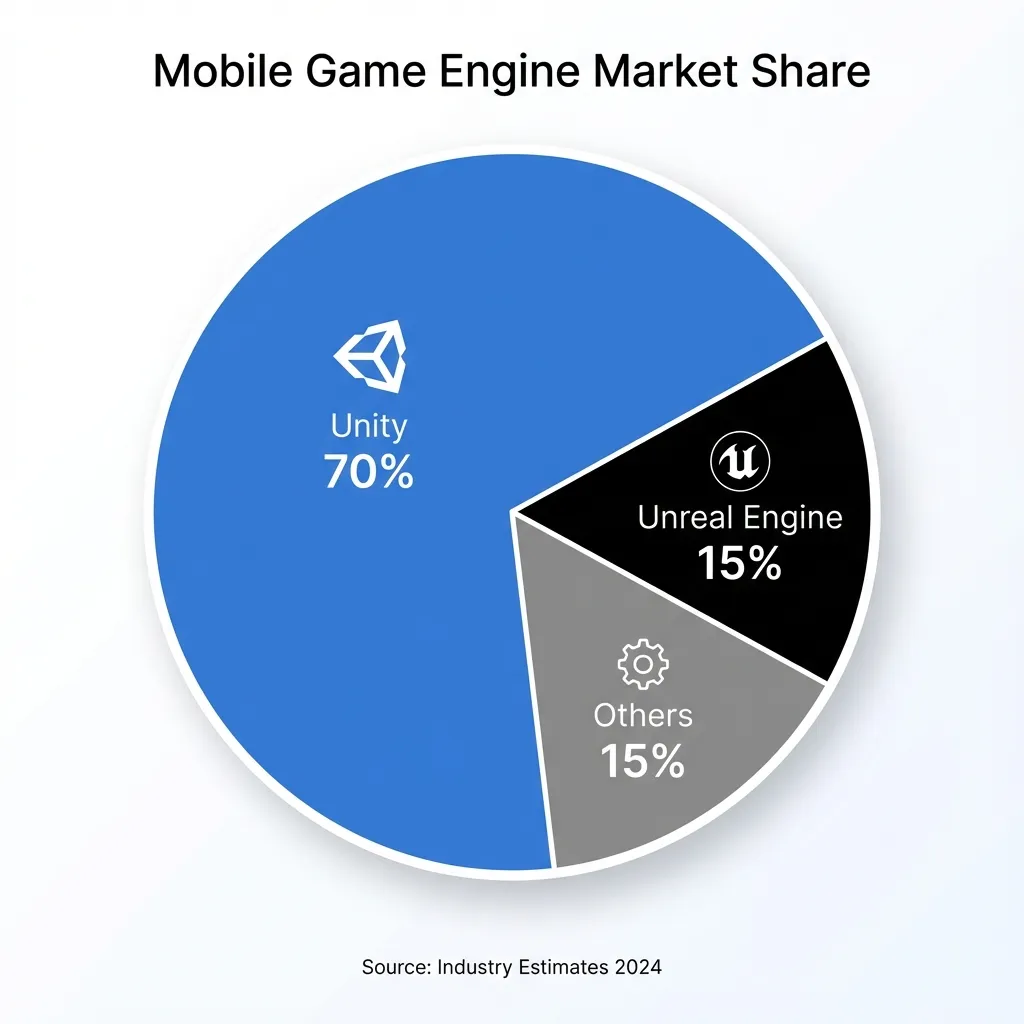
Unity powers over 70% of mobile games globally, making it the undisputed leader in mobile game development. This massive market share translates into unparalleled community support, with millions of developers worldwide sharing tutorials, assets, scripts, and solutions to common problems.
The Unity Asset Store offers over 100,000 ready-made assets, plugins, and tools that dramatically accelerate development. From complete game templates and art assets to specialized plugins for monetization, analytics, and multiplayer functionality, the Asset Store ecosystem can reduce development time by 50-70% for indie developers.
Cross-Platform Deployment Excellence
Unity's cross-platform capabilities are exceptional, allowing you to build once and deploy to over 25 platforms including Android, iOS, Windows, macOS, WebGL, and all major consoles.
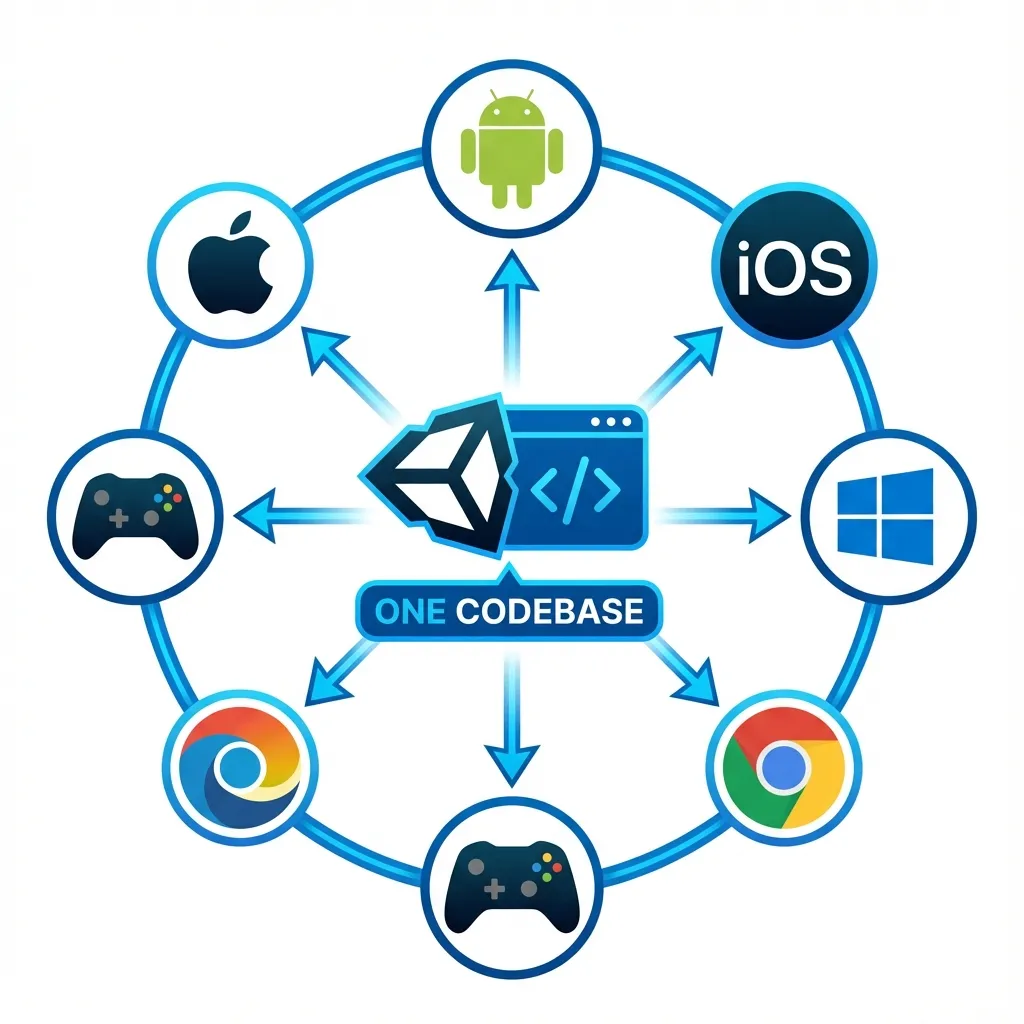
The build process for mobile platforms is streamlined and well-documented. Unity handles most platform-specific requirements automatically, from generating appropriate app icons and splash screens to managing different screen resolutions and aspect ratios.
C# Programming and Ease of Learning
Unity uses C# as its primary programming language, which is widely considered more beginner-friendly than C++. C# features cleaner syntax, automatic memory management, and extensive standard libraries that reduce development complexity.
Performance for Mobile Games
Unity provides excellent performance for 2D games and moderate-complexity 3D mobile games. Unity's rendering pipeline options include the Universal Render Pipeline (URP) specifically optimized for mobile devices, delivering good visual quality while maintaining 60 FPS on mid-range smartphones.
Unreal Engine: High-Fidelity Mobile Gaming
Visual Excellence and Graphics Capabilities
Unreal Engine is renowned for producing the highest visual fidelity in the gaming industry. The engine's advanced rendering capabilities, real-time lighting, sophisticated shader systems, and photorealistic materials create stunning visuals that rival console and PC games.
Blueprint Visual Scripting System
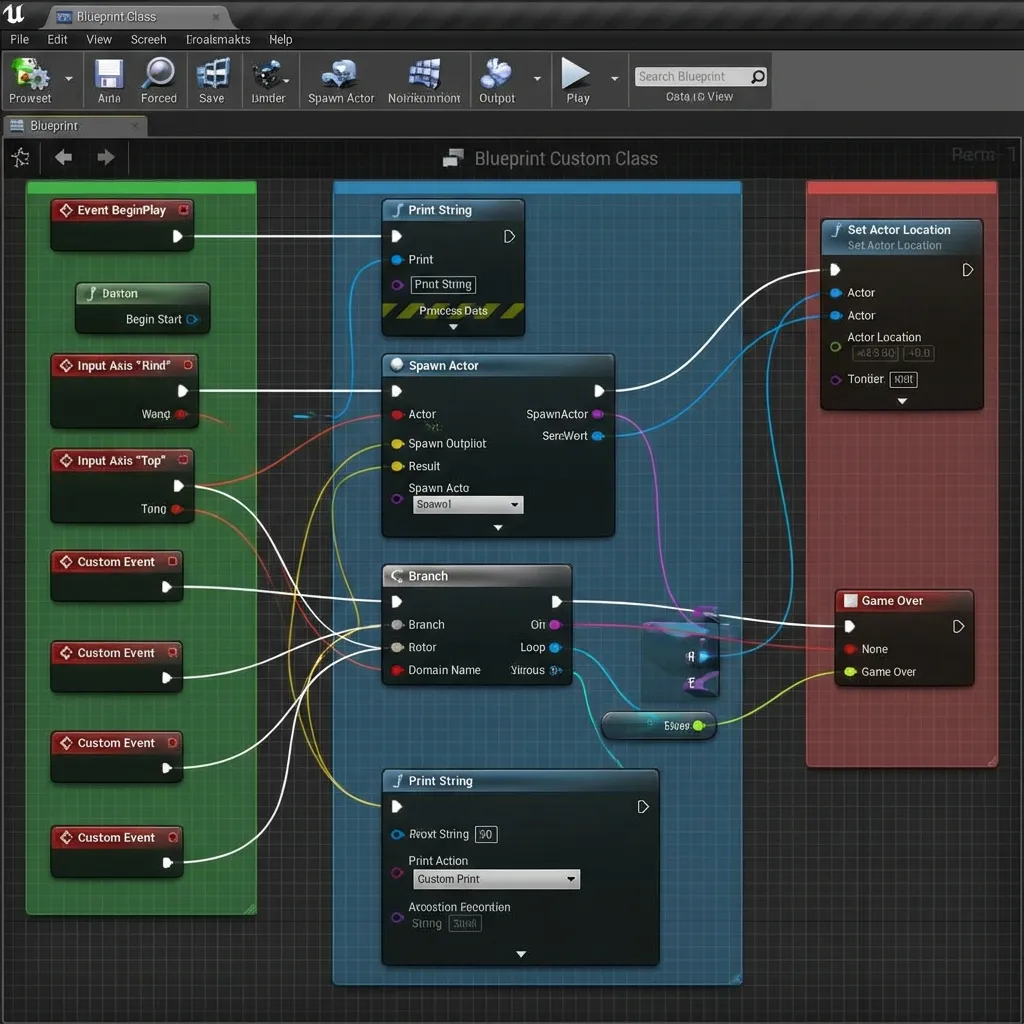
Unreal's Blueprint visual scripting system allows game development without writing traditional code. Developers create game logic by connecting visual nodes representing functions, variables, and game events.
C++ Programming for Advanced Features
While Blueprints handle most gameplay needs, Unreal also supports C++ programming for performance-critical code and advanced features. C++ offers lower-level control and better performance than scripting languages.
Head-to-Head Comparison by Game Type
Unity is the clear winner for hyper-casual and casual mobile games. These genres prioritize quick development cycles, small file sizes, and broad device compatibility over cutting-edge graphics. Successful hyper-casual developers universally choose Unity for its speed and efficiency.
For mid-core games like RPGs, strategy titles, and card games, Unity remains the preferred choice. These genres benefit from Unity's robust 2D tools, UI systems, and extensive third-party solutions.
High-quality mobile action games and shooters benefit from Unreal Engine's advanced graphics and built-in features. Titles like PUBG Mobile and Fortnite leverage Unreal's rendering capabilities, physics systems, and networking infrastructure.
Cost and Licensing Considerations
Unity offers a generous free tier (Unity Personal) for developers and studios earning less than $100,000 annually. There's no revenue sharing or royalty requirements—you keep 100% of your earnings.
Unreal Engine is completely free to download and use with no upfront costs. Epic Games uses a royalty-based model charging 5% of gross revenue after your game earns the first $1 million.
Conclusion and Recommendations
For Pakistani indie developers and small studios entering mobile game development in 2026, Unity remains the recommended choice for the vast majority of projects. Its proven mobile track record, gentle learning curve, and comprehensive asset ecosystem make it the practical choice for turning ideas into published games efficiently.